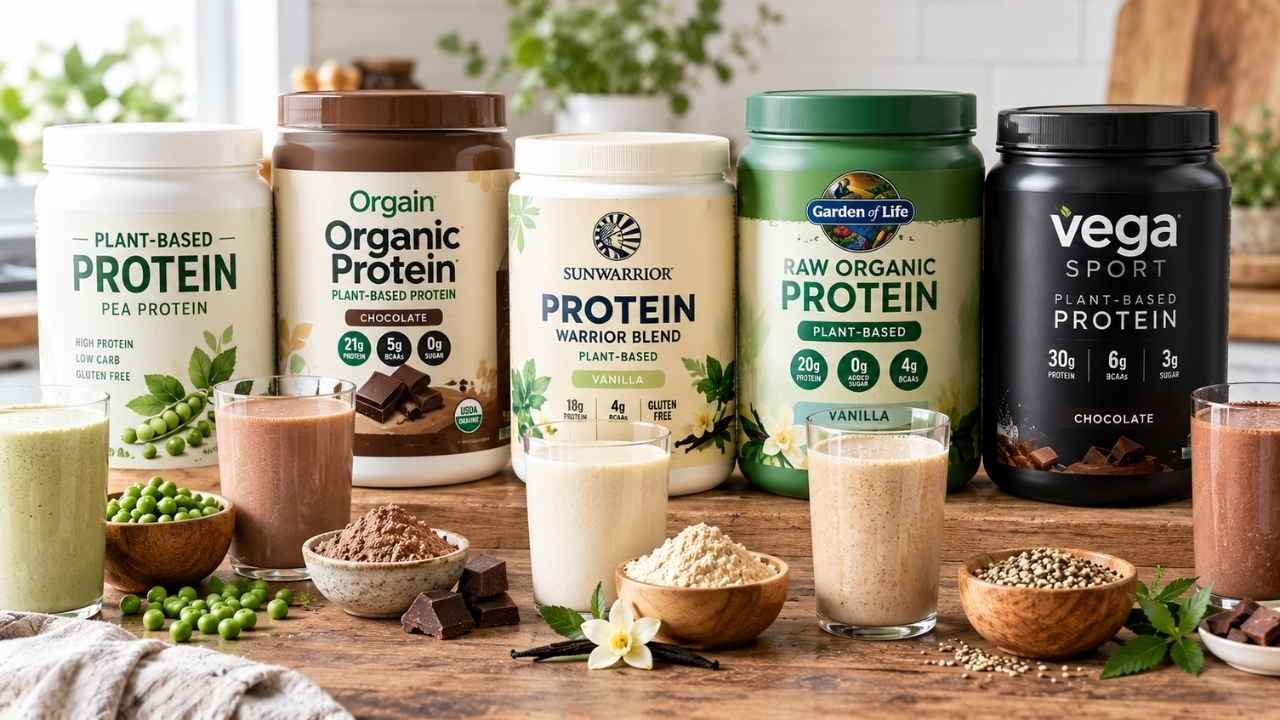
Choosing the 5 best vegan protein powder can feel confusing when there are so many plant-based protein powders available. Some offer high protein content, while others stand out for their taste, clean ingredients, easy mixing, or value. The right choice also depends on your goal, such as muscle building, workout recovery, or simply adding more protein to your diet.
In this guide, we compare the best 5 vegan protein powders based on important factors such as protein per serving, protein source, amino-acid profile, calories, added sugar, ingredients, taste, texture, mixability, testing, and price. We also consider options made from pea, rice, soy, hemp, and blended plant proteins.
Whether you are a beginner, athlete, or simply following a plant-based diet, these picks can help you find a vegan protein powder that fits your needs, preferences, and budget.
Quick Answer
Choosing the best vegan protein powder can be tricky with so many plant-based options available. The right product depends on your protein needs, fitness goals, taste, ingredients, and budget.
In this guide, we compare the best 5 vegan protein powders based on protein content, amino acids, calories, sugar, taste, texture, mixability, ingredients, testing, and value. Whether you want muscle gain, recovery, or everyday nutrition, these picks make choosing easier.
Quick Comparison: The 5 Best Vegan Protein Powders
Before choosing a vegan protein powder, it helps to compare the main features of each option. The best vegan protein powder is not the same for everyone. Some people want more protein for muscle building, while others care more about taste, clean ingredients, or price. Protein sources can also vary, including pea protein, rice protein, soy protein, hemp protein, and plant protein blends.
Our five picks are compared using key factors such as protein per serving, calories, sugar, protein source, taste, texture, mixability, ingredients, and value. We also consider important details such as amino-acid quality, third-party testing, and dietary needs. This quick comparison helps you see which plant-based protein powder may suit your goal before reading the full reviews. Check the product labels for the latest nutrition and ingredient information.
The 5 Best Vegan Protein Powders
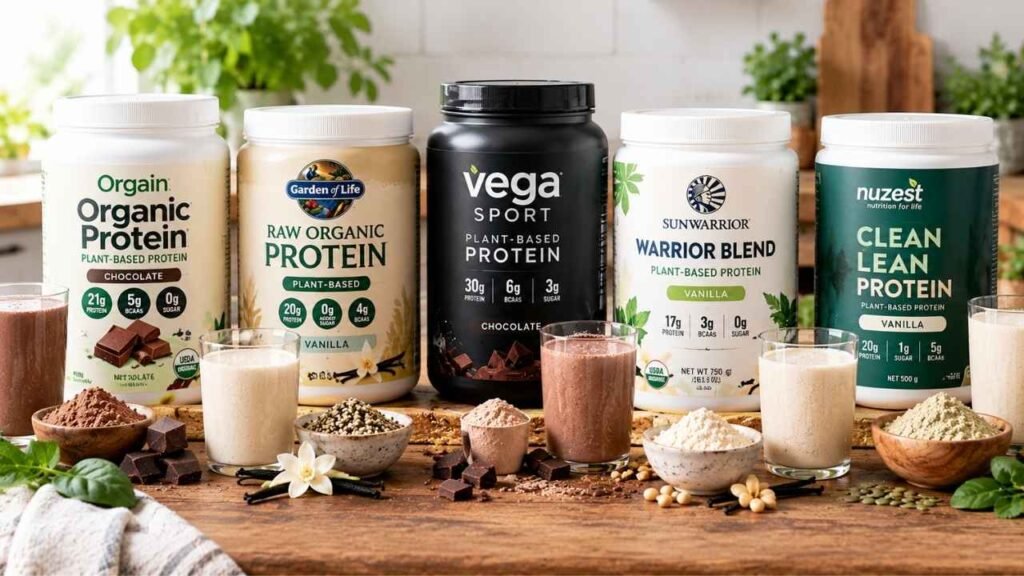
Choosing the right vegan protein powder can be difficult because products differ in protein content, ingredients, taste, and price. The options in this guide cover different needs, so you can choose based on your personal goals. Some are better for muscle building, while others may be better for taste, clean ingredients, or value.
Best Overall Vegan Protein Powder
A good vegan protein powder should offer a balance of protein, ingredients, taste, and value. Look for a useful amount of protein per serving without too much added sugar or unnecessary ingredients. The protein source may include pea protein, rice protein, soy protein, hemp protein, or a blend.
Taste and texture also matter. A powder that mixes smoothly with water, plant milk, or smoothies is easier to enjoy regularly. Check the label for essential amino acids, calories, sweeteners, allergens, and third-party testing. This type of product is a good choice for everyday nutrition, workouts, and meeting daily protein needs.
Best Vegan Protein Powder for Muscle Building
If your main goal is muscle building, protein quality should be a key factor. A good vegan protein powder can help you reach your daily protein needs when combined with regular strength training. Look for a product with enough protein per serving and a useful amino-acid profile.
Some plant proteins are lower in certain essential amino acids, so protein blends can be helpful. Pea and rice protein are often combined to provide a wider amino-acid profile. BCAAs, including leucine, isoleucine, and valine, are also important parts of protein quality.
This type of vegan protein is suitable for muscle gain, workout recovery, and strength training. Also consider calories, sugar, ingredients, taste, mixability, and value before buying.
Best-Tasting Vegan Protein Powder
Taste can make a big difference when choosing the best tasting vegan protein powder. Even a product with a strong nutrition profile may be difficult to use regularly if it has a chalky texture, strong aftertaste, or unpleasant flavor. This makes taste, texture, and mixability important factors.
A good plant-based protein powder should have a pleasant flavor and mix smoothly with water or plant milk. It should also work well in protein shakes, smoothies, oatmeal, and other recipes. Check whether the product is too sweet or contains strong artificial flavors.
This option is ideal for people who want a vegan protein powder that is enjoyable to drink regularly. Along with taste, check its protein source, calories, sugar, ingredients, and overall value.
Best Clean-Ingredient Vegan Protein Powder
For people who care about ingredients, a clean vegan protein powder may be a good choice. Instead of looking only at protein grams, check the complete ingredient list. Look for a clear protein source, suitable sweeteners, and fewer unnecessary additives.
Depending on your preferences, you may want an organic, non-GMO, or third-party-tested vegan protein powder. Also check for allergens such as soy, nuts, or other ingredients that may not suit your diet. Some products use stevia or monk fruit, while others contain added flavors or thickeners.
This option suits people who prefer a simple ingredient list and clear product information. However, “clean” is not a regulated quality term, so do not rely only on marketing claims. Always check the product label and verified testing or certification information before buying.
Best Budget-Friendly Vegan Protein Powder
A good budget vegan protein powder should offer more than a low price. The best way to compare value is to check the cost per serving and the amount of protein provided for that price. A large container is not always cheaper if it contains fewer servings.
Check the label for protein per serving, serving size, calories, sugar, and protein source. Taste and mixability are also important because saving money is not useful if you do not enjoy the product.
A simple pea, rice, soy, or plant protein blend can provide good value when its nutrition matches your needs. Before buying, compare the total servings, price per serving, ingredients, and protein content with other options to make sure you are getting genuine value.
How We Chose the Best Vegan Protein Powders
Choosing the best vegan protein powder involves more than checking the protein number on the front of the package. We considered several factors that can affect the quality, value, and everyday use of each product. First, we looked at protein per serving and protein source, including pea, rice, soy, hemp, and plant protein blends. We also considered the amino-acid profile and the presence of essential amino acids.
Other important factors included added sugar, calories, ingredients, sweeteners, allergens, taste, texture, and mixability. We also looked for information about third-party testing and certifications where available. Finally, we compared serving sizes and overall cost to judge value. This approach helps separate products that simply make strong marketing claims from those that offer useful nutrition and a better overall experience for people looking for a reliable plant-based protein powder.
What Is Vegan Protein Powder?
Vegan protein powder is a plant-based supplement made from protein-rich foods such as peas, rice, soy, hemp, and seeds. It provides a convenient way to add more protein to your diet without using milk or other animal-based ingredients. Many products are made from a single protein source, while others use a plant protein blend to provide a wider range of amino acids.
Vegan protein powders are popular among people following a vegan or plant-based diet, as well as those who avoid dairy. They can be mixed with water or plant milk and added to smoothies, oatmeal, or other foods. The amount of protein varies between products, so it is important to check the nutrition label before buying. A good vegan protein supplement should fit your dietary needs, taste preferences, and daily protein goals without relying on unnecessary ingredients or excessive added sugar.
What Are Vegan Protein Powders Made From?
Vegan protein powders can be made from several different plant protein sources, and each has its own strengths. Pea protein is popular because it provides a good amount of protein and is often used in blends. Brown rice protein is another common option and is frequently combined with pea protein to create a more balanced amino-acid profile.
Soy protein is a complete plant protein and can provide all essential amino acids. Hemp protein contains protein along with fiber and other nutrients, although it usually has less protein per serving than some isolates. Other products may use pumpkin seed, sunflower seed, or sacha inchi protein.
Some brands combine several sources into a plant protein blend. This can help improve the overall amino-acid profile while offering different nutritional benefits. Always check the ingredient list to see which protein source is used.
Pea Protein
Pea protein is one of the most common ingredients in vegan protein powder. It is usually made from yellow peas and can provide a high amount of protein per serving. Pea protein is also a useful source of several essential amino acids and BCAAs, making it popular among people who want plant protein for muscle building.
One limitation is that pea protein is relatively low in methionine, an essential amino acid. This does not make it a poor protein source, but it is one reason some products combine pea protein with other plant proteins. Pea protein powder is also naturally dairy-free and can work well for people avoiding milk-based protein.
When choosing a pea protein powder, check the protein content, serving size, ingredients, sweeteners, taste, and mixability. A well-formulated pea protein can be a useful option for everyday nutrition, workout recovery, and meeting higher protein needs.
Brown Rice Protein
Brown rice protein is another popular plant-based protein source. It is made by processing brown rice to separate the protein from much of the carbohydrate content. Rice protein can provide a useful amount of protein, but it is relatively lower in lysine. For this reason, it is often combined with pea protein in vegan protein blends.
Rice protein can be a useful choice for people who prefer a plant-based option without dairy. However, the quality of the final product depends on the full formula, not just the protein source. When buying brown rice protein powder, check the protein per serving, ingredients, calories, sugar, and testing information.
Another consideration is product testing. Rice-based products may receive attention because of concerns about arsenic and other heavy metals, so choosing a brand that provides reliable testing information can be helpful. Always review the current label and manufacturer information before buying.
Soy Protein
Soy protein is a well-known plant protein that provides all nine essential amino acids, making it a complete protein source. It is available in different forms, including soy protein isolate, and can provide a relatively high amount of protein per serving. This makes it useful for people looking for a vegan protein powder for muscle building or everyday protein intake.
Soy protein can also be easier to compare with other protein sources because its amino-acid profile is well studied. However, it is not suitable for people with a soy allergy or intolerance. Some people may also prefer to avoid soy for personal dietary reasons.
If you choose a soy-based protein powder, check the full ingredient list, protein content, calories, sugar, sweeteners, and serving size. A quality product should also clearly state its allergens and other important dietary information on the label.
Hemp Protein
Hemp protein comes from hemp seeds and is another option for people looking for plant-based protein. Unlike highly processed protein isolates, hemp protein can retain some of the natural fiber and nutrients found in hemp seeds. This can make it appealing to people who want more than just protein from their supplement.
However, hemp protein usually provides less protein per serving than highly concentrated pea or soy protein powders. It also has a more noticeable earthy or nutty taste, which some people may not enjoy. Its texture can also be different from smoother protein isolates.
When choosing hemp protein powder, compare the protein content, fiber, calories, ingredients, and serving size. It can work well in smoothies, oatmeal, and other foods where its natural flavor blends with other ingredients. For people focused mainly on high protein intake, a hemp blend may offer a better balance than hemp protein alone.
Plant Protein Blends
A plant protein blend combines two or more plant protein sources in one product. Common combinations include pea and rice protein, although some formulas may also include soy, hemp, pumpkin seed, or sunflower seed protein. The main reason for using a blend is to create a more balanced amino-acid profile.
Different plant proteins have different strengths and limitations. Combining them can help provide a wider range of essential amino acids than relying on one source alone. Blends can therefore be useful for people looking for a complete plant protein option.
However, a blend is not automatically better than a single-source protein. You should still check the protein per serving, ingredients, calories, sugar, sweeteners, taste, and testing information. Some blends also contain extra ingredients that may not suit everyone. The best choice depends on your nutrition goals, dietary preferences, and how well you enjoy using the product.
Is Vegan Protein as Good as Whey Protein?
Vegan protein and whey protein can both help people meet their daily protein needs, but they have some important differences. Whey is a dairy-based protein and naturally contains all nine essential amino acids, including a good amount of leucine. Vegan protein comes from plants, so its amino-acid profile depends on the source.
Some plant proteins, such as soy protein, are complete proteins, while others may be lower in certain amino acids. This is why many vegan products use protein blends, such as pea and rice. For muscle building, the most important factors include your total daily protein intake, overall diet, and regular resistance training.
Vegan protein may be a better fit for people following a plant-based diet, avoiding dairy, or choosing animal-free foods. Whey may suit those who tolerate dairy and prefer its taste or texture. Neither option is automatically best for everyone; your needs and preferences should guide your choice.
Can Vegan Protein Powder Help Build Muscle?
Yes, vegan protein powder can support muscle building when it helps you meet your overall protein needs and is combined with regular resistance training. Protein provides amino acids that your body uses to repair and build muscle. However, simply drinking protein powder will not build muscle on its own.
The quality of the protein source also matters. Products made with pea, soy, rice, or protein blends can provide useful amounts of essential amino acids. Some blends combine different plant proteins to create a more balanced amino-acid profile. It is also helpful to look at the protein amount per serving rather than choosing a product based only on marketing claims.
For people following a vegan diet, protein powder can be a convenient way to add protein after training or between meals. Your overall diet, training routine, sleep, and total daily protein intake all matter. Use protein powder as a convenient food supplement, not as a replacement for a balanced diet.
How Much Vegan Protein Powder Should You Take?
The right amount of vegan protein powder depends on how much protein you already get from food, your body size, activity level, and personal goals. There is no single serving that works for everyone. Many products provide a standard scoop size on the label, but that does not mean you need the same amount every day.
If you already eat enough protein from foods such as beans, lentils, tofu, tempeh, nuts, seeds, and other plant foods, you may need less protein powder. If you struggle to meet your protein needs, a vegan protein supplement can provide a convenient extra source.
People who exercise regularly may have higher protein needs than those who are less active. Instead of focusing only on the number of scoops, consider your total daily protein intake. Always follow the product’s serving instructions and choose an amount that fits your overall diet and goals.
How to Choose the Right Vegan Protein Powder
Choosing the best vegan protein powder starts with understanding your own needs. If your goal is muscle building, look for a product with a strong protein profile and enough protein per serving. If taste matters most, focus on flavor, texture, mixability, and aftertaste. For a clean-label option, read the ingredient list carefully.
Next, check the protein source, such as pea, rice, soy, hemp, or a blend. Review the nutrition label for calories, sugar, carbohydrates, fat, and fiber. Also look at sweeteners and any ingredients you may want to avoid.
Testing and certifications can provide extra information about product quality, so check whether the brand provides clear details about third-party testing or certifications. Finally, compare the cost per serving, not just the container price. The best plant-based protein powder is the one that matches your nutrition goals, dietary needs, taste preferences, and budget.
FAQs
What is the best vegan protein powder?
The best vegan protein powder depends on your goals, taste preferences, ingredients, protein needs, and budget. Look for a product with suitable protein content and a protein source that fits your diet.
What is the best vegan protein powder for muscle gain?
A product with a good amount of protein and a useful amino-acid profile can be a practical choice for muscle gain when combined with resistance training and a balanced diet.
Is vegan protein as good as whey?
Both can help you meet your protein needs. Whey is a complete dairy protein, while plant proteins vary. Blended vegan proteins can provide a wider amino-acid profile.
Is pea protein better than rice protein?
Neither is automatically better. Pea protein and rice protein have different strengths, and combining them can provide a more balanced protein profile.
Can you take vegan protein powder every day?
Yes, many people can use it daily as part of a balanced diet. Your total protein intake and overall nutrition matter more than the powder itself.
How do I choose a vegan protein powder?
Compare protein, ingredients, calories, sugar, taste, texture, testing, serving size, and cost per serving before buying.
Conclusion
The best 5 vegan protein powders can each serve a different purpose, so there is no single product that is perfect for everyone. The best overall choice should provide a good balance of protein quality, ingredients, taste, mixability, testing, and value. If your main goal is muscle building, pay closer attention to protein content and the amino-acid profile. If taste is important, choose a powder you will actually enjoy using regularly.
For shoppers focused on ingredients, check the label for sweeteners, additives, allergens, and certifications. If budget matters, compare the cost per serving rather than only the package price.
Most importantly, remember that protein powder is a convenient supplement, not a replacement for a balanced diet. Whether you choose pea, rice, soy, hemp, or a plant protein blend, select a product that fits your personal goals, dietary needs, taste preferences, and budget.