
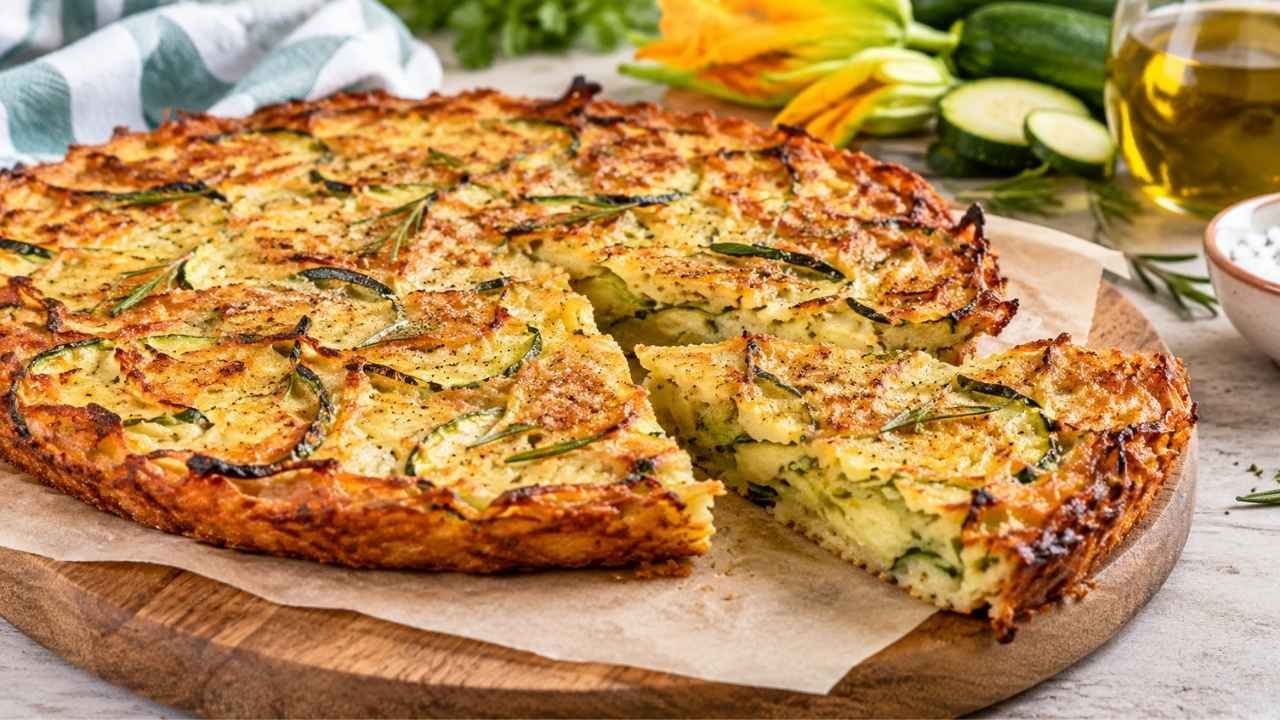
If you love simple Italian food, Italian Scarpaccia is a recipe worth trying. This traditional Tuscan zucchini tart is thin, savory, and wonderfully crisp around the edges. It is closely linked to Camaiore and the Versilia area of Tuscany, where this rustic dish has long been made with fresh seasonal vegetables.
Unlike a thick zucchini cake or a soft vegetable pie, Scarpaccia di Camaiore has a thin layer of zucchini held together with just enough batter. The result is a golden, lightly crisp Italian zucchini flatbread with tender vegetables inside.
In this guide, you’ll learn how to make Italian Scarpaccia at home, including the simple techniques that help create its signature crispy texture. We’ll also cover traditional ingredients, useful variations, common mistakes, and the best ways to serve this classic savory Scarpaccia.
Quick Answer
Italian Scarpaccia is a traditional Tuscan zucchini tart linked to Camaiore and Versilia. This simple savory Scarpaccia combines fresh zucchini, onion, flour, and olive oil in a thin layer that bakes until golden and crispy. Unlike a thick zucchini cake, Scarpaccia di Camaiore has a light, rustic texture with tender vegetables inside. It makes a delicious Italian appetizer, side dish, aperitivo, or light vegetarian meal.
What Is Italian Scarpaccia?
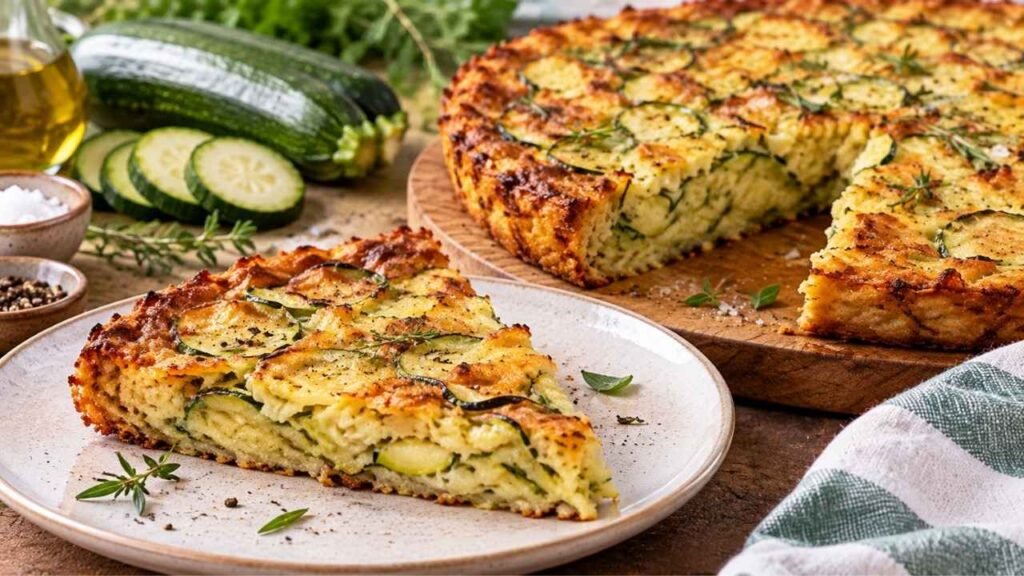
Italian Scarpaccia is a simple and rustic dish from Tuscany, especially linked to Camaiore and the Versilia area. The savory version, known as Scarpaccia di Camaiore, is made mainly with fresh zucchini, onion, flour, and olive oil. Some recipes also include zucchini flowers, cornmeal, Parmesan, or herbs.
What makes this Tuscan zucchini tart special is its texture. The mixture is spread into a very thin layer and baked until the top and edges become golden and crisp. Inside, the zucchini stays soft and flavorful.
Despite being called a tart or Italian zucchini flatbread, Scarpaccia is not a thick pie, zucchini bread, or frittata. It is a light savory Scarpaccia that works well as an appetizer, side dish, or easy vegetarian meal.
Where Does Scarpaccia Come From?
Scarpaccia comes from Tuscany, a region in central Italy known for simple, fresh, and seasonal cooking. The savory version is strongly connected with Camaiore, a town in the Versilia area of Tuscany. This version is often called Scarpaccia di Camaiore.
The recipe reflects the idea of cucina povera, or simple cooking made with affordable local ingredients. Fresh zucchini, onions, flour, and olive oil could be turned into a filling dish without expensive ingredients. Over time, different families developed their own versions.
Today, Tuscan Scarpaccia can be found in many forms. Some recipes include zucchini flowers, cheese, cornmeal, or different herbs. While the ingredients may change, the basic idea remains the same: create a thin, golden, and crispy zucchini dish that highlights the fresh vegetables.
Scarpaccia di Camaiore and the Versilia Connection
Scarpaccia di Camaiore is the savory version most closely linked with Camaiore and Versilia. This part of Tuscany has a strong food culture built around fresh vegetables, olive oil, and simple homemade recipes. Scarpaccia fits this style perfectly because it uses a small number of everyday ingredients.
The traditional idea is to make a very thin vegetable bake, rather than a thick tart. Zucchini is usually the star, while onion adds a gentle sweetness. Some versions also use zucchini flowers, herbs, or cheese.
Although recipes can differ from one home to another, the goal stays similar: a light mixture that becomes golden and crisp in the oven. If you are looking for an authentic Italian zucchini flatbread, the Camaiore style is an excellent place to start.
The Traditional Relationship Between Camaiore and Viareggio
When searching for Italian Scarpaccia, you may find both savory and sweet recipes. This is because the name Scarpaccia is used for different traditional preparations in the Tuscan coastal area. The savory version is strongly associated with Camaiore, while a sweet version is linked with Viareggio.
The Camaiorese Scarpaccia is usually made with zucchini and other savory ingredients. It is thin, rustic, and baked until crisp. The Viareggina version, on the other hand, can be sweet and is enjoyed more like a dessert.
For this article, we focus on the savory zucchini Scarpaccia, which is the version most readers expect when looking for an Italian zucchini recipe. Knowing this difference also explains why recipes online may look quite different while still using the name Scarpaccia.
Why Is It Called Scarpaccia?
The name Scarpaccia is often connected with the Italian word scarpa, which means “shoe.” The traditional explanation is that the finished dish is so thin that it looks a little like the sole of a shoe.
This simple idea also helps explain one of the most important features of an authentic-style Scarpaccia recipe: it should not be thick. Instead, the vegetable mixture is spread into a thin layer before baking. As it cooks, the edges become golden and crisp, while the zucchini stays tender.
The name is therefore closely linked to the appearance of the dish. It may sound unusual at first, but it gives you a useful clue about how Tuscan Scarpaccia should look. If your zucchini tart becomes thick like a cake, it is probably not close to the traditional style.
What Does Authentic Scarpaccia Taste Like?
A good Italian Scarpaccia has a simple but satisfying flavor. Fresh zucchini gives it a mild, slightly sweet vegetable taste, while onion adds more depth. Extra virgin olive oil brings a rich flavor and helps the surface become golden during baking.
The texture is just as important as the taste. A well-made zucchini Scarpaccia should be thin and crisp around the edges, with a soft and tender vegetable center. You should not expect the fluffy texture of zucchini bread or the firm texture of a frittata.
Herbs such as rosemary, basil, parsley, or thyme can add extra flavor. Some recipes also use Parmesan or Parmigiano Reggiano for a savory touch. Overall, authentic-style Scarpaccia is fresh, rustic, light, and full of simple Italian flavors.
Traditional Ingredients for Scarpaccia
The beauty of Italian Scarpaccia is that it does not need a long list of ingredients. The main ingredient is fresh zucchini, supported by onion, flour, olive oil, salt, and pepper. These simple foods create the base of a classic Tuscan zucchini tart.
Some traditional-style recipes also include zucchini flowers or zucchini blossoms, especially when they are in season. Fresh herbs such as rosemary or basil can add more flavor without making the dish heavy.
Depending on the recipe, you may also see cornmeal, polenta, Parmesan, Parmigiano Reggiano, Pecorino, eggs, or chickpea flour. These ingredients are not all required in every version. Italian families often have their own methods.
For the best result, focus on fresh zucchini, good olive oil, and a thin layer rather than adding too many ingredients.
Traditional vs. Modern Scarpaccia
There is no single ingredient list that represents every Scarpaccia recipe. Traditional versions can be very simple, while modern recipes may add ingredients to change the flavor, texture, or dietary needs.
A basic Scarpaccia di Camaiore may focus on zucchini, onion, flour, olive oil, salt, and pepper. Other recipes add cornmeal or polenta for more texture. Cheese such as Parmesan or Pecorino can give the dish a stronger savory taste. Eggs and milk may also appear in some modern versions.
You can also find vegan Scarpaccia, gluten-free versions, and recipes using different vegetables. These can be delicious, but they should be treated as adaptations rather than the only traditional recipe.
For this reason, it is better to describe Scarpaccia as a flexible Italian dish with a traditional foundation and many modern variations.
How to Prepare the Zucchini for Scarpaccia
Preparing the zucchini correctly is one of the most important parts of making Italian zucchini Scarpaccia. Zucchini contains a lot of water, and too much moisture can make your finished dish soft instead of crisp.
Start by washing and drying the zucchini. Slice it into thin, even pieces using a sharp knife or mandoline. Thin slices cook more evenly and help create the classic texture of Tuscan Scarpaccia.
After slicing, lightly salt the zucchini and let it rest. The salt helps draw out some of the natural water. Drain the liquid and gently squeeze the zucchini if needed. Some recipes use part of this liquid in the batter, so do not throw it away until you know which method you are following.
The goal is simple: fresh zucchini with controlled moisture before it goes into the batter.
Slice the Zucchini Thinly
Thin zucchini slices are essential for a good Scarpaccia di Camaiore. If the pieces are too thick, they release more water during baking and can make the center soft. Thick slices can also prevent the dish from cooking evenly.
A sharp knife works well, but a mandoline can make the job easier. Try to keep the slices close to the same thickness so they cook at the same rate. You do not need paper-thin slices, but they should be thin enough to become tender quickly.
Avoid cutting the zucchini into large chunks. Scarpaccia is meant to have a flat, even structure, with vegetables spread across the whole pan.
Once sliced, place the zucchini in a large bowl. You can then add salt and allow it to rest before draining. This small step can make a big difference in the final crispy zucchini Scarpaccia.
Salt and Rest the Zucchini
Because zucchini contains so much water, salting it before baking can help improve the texture of Italian Scarpaccia. Salt draws some of the natural moisture from the vegetables, which can then be drained away.
After slicing the zucchini, sprinkle it with salt and toss gently. Let it sit for a short time while the water begins to collect. Place the zucchini in a colander and allow the liquid to drain. You can gently press it or use a clean kitchen towel to remove extra moisture.
Do not make the zucchini completely dry unless your recipe calls for it. Some Scarpaccia recipes use part of the released zucchini liquid to make the batter.
The main goal is to control moisture. Too much water can create steam in the oven and leave your Tuscan zucchini tart soft instead of golden and crisp.
Should You Squeeze All the Water Out?
Not always. This is one area where Italian Scarpaccia recipes can differ. Some methods tell you to drain and squeeze the zucchini well, while others use some of the natural zucchini liquid as part of the batter.
If you remove too little water, the Scarpaccia may become soggy. If you remove too much and add too little liquid to the batter, the mixture may become dry. The right balance depends on the amount of zucchini and the recipe you are using.
A useful approach is to drain the zucchini first and check how much liquid it releases. Keep some of the liquid if your recipe uses it to mix with the flour.
The final mixture should be loose but not watery. The vegetables should be lightly coated, not buried under a thick batter. This helps create the thin, crisp texture that makes Scarpaccia special.
How to Make Italian Scarpaccia
Making Italian Scarpaccia is easier than it may look. Start by preparing your zucchini and onion. Slice the vegetables thinly, season the zucchini with salt, and allow some of its water to drain.
Next, prepare a light batter with flour and the needed liquid. Depending on the recipe, you can add cornmeal, herbs, Parmesan, or other ingredients. The batter should be thin enough to lightly coat the vegetables.
Mix the zucchini and onion into the batter, making sure everything is spread evenly. Pour the mixture into a well-oiled, wide baking pan. This is important because a larger surface gives the Scarpaccia room to become thin and crisp.
Spread everything into an even, thin layer, then drizzle with olive oil. Bake until the surface is deeply golden and the edges are crisp. Let it rest briefly before slicing and serving.
How Thin Should Scarpaccia Be?
One of the biggest secrets to good Scarpaccia is keeping it thin. Traditional versions are much thinner than a normal zucchini cake or vegetable pie. A thin layer allows moisture to escape and gives the edges enough heat to become golden and crispy.
When spreading the mixture in your baking pan, aim for a shallow, even layer. You should be able to see plenty of zucchini across the surface rather than a thick mass of batter.
If the mixture is too thick, the center may stay wet while the top becomes brown. It can also lose the light texture that makes Scarpaccia di Camaiore special.
A wide baking tray is helpful because it gives you more surface area. Remember the simple rule: thin layer, better browning. This is one of the most important steps for making an authentic-style Tuscan zucchini tart.
How to Make Scarpaccia Crispy
The best crispy zucchini Scarpaccia starts with moisture control. Zucchini naturally contains a lot of water, so removing some of it before baking is important. Salt the sliced zucchini, let it rest, and drain the liquid before mixing.
Next, avoid using too much flour or batter. The vegetables should be lightly coated, not covered in a thick mixture. Use a wide, shallow baking pan and spread everything into a thin layer.
A good amount of extra virgin olive oil also helps the surface brown. Bake the Scarpaccia in a properly heated oven until the top and edges become deeply golden.
Do not remove it too early just because the surface has started to brown. The center also needs time to firm up. After baking, let it rest briefly before cutting. These simple steps help create the thin, crisp texture that makes Italian Scarpaccia so enjoyable.
How to Tell When Scarpaccia Is Done
Knowing when your Italian Scarpaccia is ready is easier when you look at its texture instead of following cooking time alone. Every oven and baking pan is different, so the exact time can change.
The top should be deep golden brown, especially around the edges. The surface should look dry and lightly crisp rather than wet. When you check the center, it should feel set instead of loose or watery.
The bottom should also have some color. If the top is browning quickly but the center is still soft, the Scarpaccia may need more time in the oven.
Remember that it will firm up slightly as it rests. Let it cool for a few minutes before cutting. A properly baked Tuscan zucchini tart should hold its shape while still feeling tender inside. If it is pale, wet, or thick, it probably needs more baking or better moisture control.
Common Scarpaccia Mistakes and How to Fix Them
Making Scarpaccia is simple, but a few common mistakes can affect the final texture. The most common problem is using zucchini that contains too much water. Always drain the vegetables well before adding them to the batter.
Another mistake is making the mixture too thick. Scarpaccia should be thin, so use a wide pan and spread the vegetables evenly. Too much flour can also make the dish heavy and cake-like.
If the top browns before the center is ready, your oven may be too hot or the layer may be too thick. If the bottom stays soft, the pan may have too much moisture or may not be giving enough direct heat.
Finally, do not cut the Scarpaccia immediately after removing it from the oven. Letting it rest for a few minutes helps it firm up and makes slicing easier. These simple fixes can turn a soft zucchini bake into a crispy Italian Scarpaccia.
Traditional Scarpaccia Variations
Although Scarpaccia di Camaiore is strongly linked with savory zucchini, you may find many versions of this Italian dish. Some recipes include zucchini flowers, which add a delicate vegetable flavor and make the finished dish look beautiful.
Other recipes add Parmesan, Parmigiano Reggiano, or Pecorino for a richer taste. Cornmeal or polenta can also be included to give the edges extra texture.
Modern cooks sometimes create vegan Scarpaccia, gluten-free versions, or recipes with other vegetables. Bell pepper, onion, and potato can all appear in adapted recipes. These versions can be delicious, but they are better described as variations rather than the classic Camaiore style.
There is also a sweet Tuscan preparation called Scarpaccia Viareggina. It is different from the savory zucchini tart covered in this recipe. Knowing these variations helps explain why different Italian Scarpaccia recipes may use different ingredients.
Is Scarpaccia Vegan?
Scarpaccia can be vegan, but it depends on the recipe. A simple version made with zucchini, onion, flour, olive oil, herbs, salt, and pepper can be completely plant-based.
However, some modern recipes add eggs, milk, Parmesan, Parmigiano Reggiano, or Pecorino. These ingredients are not suitable for a vegan diet. If you want a vegan zucchini Scarpaccia, check the ingredient list carefully and leave out dairy and eggs when the recipe allows.
Olive oil is a natural choice for a vegan version and also adds good flavor and helps the surface brown.
The texture may change slightly when eggs or cheese are removed, but a well-made vegan Italian zucchini tart can still become thin and crispy. If you want a vegan Scarpaccia, focus on controlling zucchini moisture and keeping the mixture thin. Those two factors matter more than adding rich ingredients.
Can You Make Scarpaccia Gluten-Free?
Yes, you can make a gluten-free Scarpaccia, although the texture may change slightly depending on the flour you use. Traditional-style recipes often use wheat flour, but alternatives such as chickpea flour, cornmeal, or a gluten-free flour blend can work.
Chickpea flour adds a mild, nutty taste and can help bind the vegetables. Cornmeal or polenta can add a pleasant crisp texture, especially around the edges. If using a ready-made gluten-free flour blend, choose one designed for baking or savory recipes.
The most important thing is not to add too much flour. Scarpaccia should remain thin and vegetable-focused, rather than becoming a thick cake.
If you are preparing the recipe for someone with celiac disease, make sure all ingredients and cooking equipment are free from gluten contamination. With the right flour and careful preparation, a gluten-free zucchini Scarpaccia can still be golden, flavorful, and crisp.
What to Serve With Italian Scarpaccia
Italian Scarpaccia is flexible enough to serve in several ways. Cut it into small squares and serve it as an antipasto or aperitivo with other Italian snacks. It also works well as a side dish beside a fresh salad or roasted vegetables.
For a light vegetarian meal, pair a warm slice of Tuscan zucchini tart with a simple green salad, tomatoes, or other seasonal vegetables. The fresh flavors balance the rich olive oil and crispy edges of the Scarpaccia.
You can serve it warm, at room temperature, or slightly cooled. Many people enjoy it as a simple lunch, picnic food, or snack because it is easy to cut and share.
If serving it with other Italian dishes, keep the sides simple. Fresh tomatoes, leafy greens, olives, and light antipasti allow the zucchini Scarpaccia to remain the main focus.
How to Store Scarpaccia
If you have leftover Italian Scarpaccia, allow it to cool before storing it. Place the pieces in an airtight container and keep them in the refrigerator. This helps protect the zucchini and keeps the dish fresh.
Remember that refrigeration can make the crisp edges softer. That does not mean the Scarpaccia has gone bad; it simply changes the texture.
For the best taste, enjoy leftovers within a few days. Before serving, check the smell and appearance as you would with any cooked vegetable dish.
If you know you will have leftovers, avoid stacking too many warm pieces together. Allowing them to cool first helps prevent extra steam from making the crust soft.
For the best results, reheat Scarpaccia in the oven or another dry-heat method instead of the microwave. This helps bring back some of the golden, crispy texture that makes Scarpaccia di Camaiore so appealing.
How to Reheat Scarpaccia Without Making It Soggy
The microwave is quick, but it can make leftover Scarpaccia soft because it adds heat and moisture at the same time. If you want to bring back the crisp edges, use an oven, toaster oven, or air fryer instead.
Place the chilled pieces in a single layer so hot air can reach the surface. Reheat until the outside becomes warm and lightly crisp again. You do not need to cook the Scarpaccia for as long as you did the first time.
Avoid covering the pieces tightly while reheating because trapped steam can soften the crust. A dry cooking environment is better when your goal is a crisp texture.
If your zucchini Scarpaccia was very soft after refrigeration, reheating may not make it exactly like freshly baked Scarpaccia. However, using dry heat can restore much of its golden surface and make leftovers enjoyable again.
Can You Freeze Scarpaccia?
You can freeze Scarpaccia, but the texture may change after thawing. Because zucchini contains a lot of water, freezing and thawing can make the vegetables softer than they were when freshly baked.
If you decide to freeze it, allow the Scarpaccia to cool completely. Cut it into individual portions and wrap the pieces well before placing them in a freezer-safe container or bag. This makes it easier to remove only what you need.
When ready to eat, thaw the pieces safely and reheat them using an oven or another dry-heat method. Avoid relying on the microwave if you want to restore some crispness.
For the best texture, freshly baked Italian zucchini Scarpaccia is always preferable. Freezing is most useful when you have a large amount left over and want to avoid wasting it.
FAQs
What is Italian Scarpaccia?
Italian Scarpaccia is a thin, savory Tuscan dish made mainly with zucchini, onion, flour, and olive oil.
What is Scarpaccia di Camaiore?
It is the savory style of Scarpaccia associated with Camaiore in Tuscany.
Is Scarpaccia sweet or savory?
Both versions exist. The Camaiore style is generally savory, while a sweet version is associated with Viareggio.
How do I make Scarpaccia crispy?
Control the zucchini moisture, use a thin layer, choose a wide pan, and bake until deeply golden.
Why is my Scarpaccia soggy?
Too much zucchini water, too much batter, or an overly thick layer can cause a soft center.
Can I make Scarpaccia vegan?
Yes. Use a recipe without eggs, milk, butter, or cheese.
Can I make gluten-free Scarpaccia?
Yes. Chickpea flour, cornmeal, or a suitable gluten-free flour blend can be used.
Can I use zucchini flowers?
Yes. Zucchini flowers or blossoms are a traditional-style addition in some recipes.
What should I serve with Scarpaccia?
Serve it as an antipasto, aperitivo, side dish, or light vegetarian meal with salad or fresh vegetables.
Conclusion
Italian Scarpaccia is a wonderful example of how simple ingredients can create something truly delicious. This traditional Tuscan zucchini tart combines fresh zucchini, onion, flour, and olive oil in a thin layer that bakes into a golden, crispy, and flavorful dish.
The secret is simple: control the zucchini’s moisture, keep the mixture thin, and give it enough space to brown properly.Whether you serve Scarpaccia di Camaiore as an antipasto, aperitivo, side dish, or light vegetarian meal, it brings a rustic taste of Tuscany and Versilia to your table.
Once you master the basic technique, you can also explore variations with zucchini flowers, herbs, cheese, or plant-based ingredients. For the best results, remember one key rule: keep it thin for the crispiest Scarpaccia.