
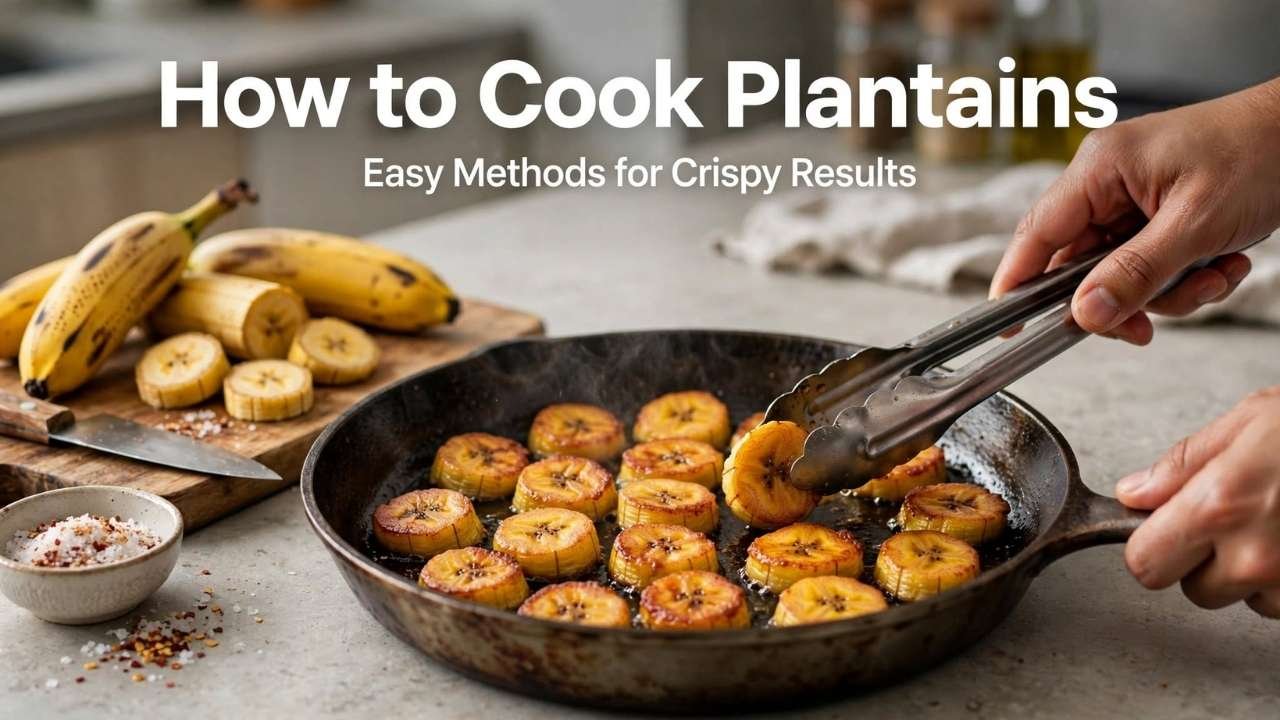
Learning how to cook plantains is easier than it may seem. Plantains look like bananas, but they are firmer, starchier, and are usually cooked before eating. Their taste and texture change as they ripen, so choosing the right plantain is an important first step.
Green plantains are firm and savory, making them great for frying, boiling, steaming, and making crispy tostones. As they turn yellow and develop brown or black spots, they become softer and sweeter. These ripe plantains are perfect for sweet fried plantains, baking, and air frying.
There are many ways to prepare plantains at home. You can fry them in a skillet, bake them in the oven, or use an air fryer for a simple option. Once you understand ripeness and cooking methods, making delicious plantain recipes becomes much easier.
Quick Answer
The easiest way to cook plantains depends on their ripeness. Green plantains are best for savory dishes like tostones, chips, boiling, and frying. Yellow or brown-spotted plantains become sweeter and work well for baking, air frying, or sweet fried plantains. Peel and slice them before cooking, then use medium heat to prevent burning. With the right ripeness and cooking method, plantains can become crispy, tender, savory, or caramelized.
What Are Plantains?
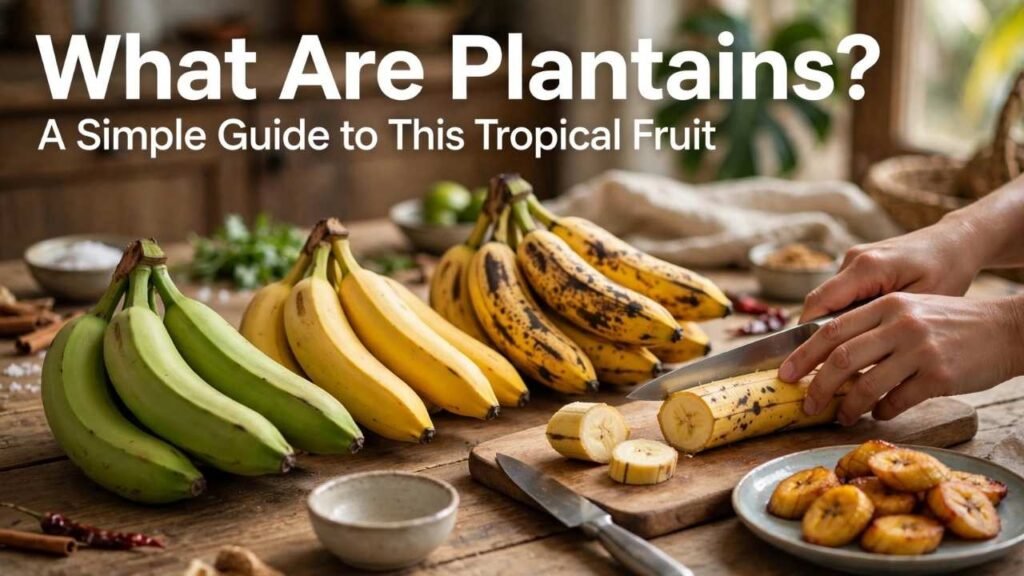
Plantains are tropical fruits that are closely related to bananas. However, they are usually larger, firmer, and more starchy than regular bananas. Unlike bananas, plantains are commonly cooked before eating. Their flavor also changes as they become more ripe.
When plantains are green, they have a firm texture and mild, starchy taste. This makes them useful for savory recipes such as tostones, chips, boiled plantains, and fried green plantains. They hold their shape well during cooking.
As the skin changes from green to yellow and then develops dark spots, the inside becomes softer and sweeter. These ripe plantains are excellent for maduros, baking, air frying, and caramelized dishes. Understanding these stages makes it much easier to decide how to prepare plantains and which cooking method will give you the texture you want.
How to Choose the Right Plantains
Choosing the right plantain can make a big difference in your recipe. The skin color gives you a simple idea of how ripe the fruit is. Green plantains are firm and starchy, while yellow plantains have a softer texture and more sweetness.
For savory dishes, choose green plantains. They are especially good for tostones, chips, and recipes where you want the fruit to stay firm. If you want sweet fried plantains, look for yellow plantains with brown or black spots. These have more natural sweetness and become soft when cooked.
Very dark plantains are usually very ripe and can be soft and sweet inside. They work well for baking and caramelizing but may be harder to slice. Before cooking, check that the plantain has a fresh smell and no signs of mold or spoilage. Choosing the correct ripeness helps you get better results without changing the recipe.
Green vs. Ripe Plantains
The biggest difference between green and ripe plantains is their texture and taste. Green plantains are firm, starchy, and only slightly sweet. They are a good choice when you want a savory dish with a crisp or firm texture.
Ripe plantains become softer and sweeter as their skin changes from yellow to brown and black. Their natural sugars also make them brown and caramelize more easily during cooking. This makes ripe plantains ideal for maduros, baking, grilling, and air frying.
Your choice should depend on the recipe. Use green plantains for tostones, chips, boiling, and savory frying. Choose yellow or spotted plantains for sweet dishes. If you are unsure, remember this simple rule: green usually means firm and savory, while spotted or dark skin usually means soft and sweet. Picking the right stage makes cooking easier and improves the final taste.
How to Peel and Cut Plantains
Peeling plantains is slightly different from peeling bananas because their skin is thicker and more firmly attached. This is especially true for green plantains. Start by cutting off both ends of the fruit. Then make a shallow cut along the skin from top to bottom.
Use your fingers or a small knife to gently lift the skin away from the flesh. Avoid cutting too deeply because you do not want to remove part of the plantain. Ripe plantains are usually easier to peel because their skin becomes softer.
After peeling, decide how you want to cut the fruit. You can make round slices, diagonal slices, thick chunks, or long pieces. For fried sweet plantains, diagonal slices work especially well. For tostones, use thick chunks. For chips, make very thin slices. Try to keep the pieces similar in size so they cook evenly.
How to Fry Plantains
Fried plantains are one of the easiest and most popular ways to cook this fruit. Start by choosing the right ripeness for your recipe. Green plantains are best for savory fried dishes, while yellow or brown-spotted plantains are better for sweet fried plantains.
Peel the plantain and cut it into even pieces. Heat a little oil in a skillet over medium heat. Add the slices in a single layer and avoid overcrowding the pan. Cook until the first side becomes golden, then turn the pieces and cook the other side.
Ripe plantains can brown quickly because they contain more natural sugar, so avoid very high heat. When the pieces are golden outside and tender inside, remove them from the pan. Place them on paper towel to drain extra oil. Serve them warm with rice, beans, eggs, chicken, fish, or avocado.
How to Bake Plantains
Baked plantains are a simple choice when you want to use less oil. Ripe plantains are especially good for baking because their natural sweetness becomes stronger as they heat. Start by peeling the plantains and cutting them into even slices or splitting them lengthwise.
Place the pieces on a baking sheet with some space between them. You can lightly brush them with oil if you want more browning. Keeping the pieces separated helps hot air reach the surface and allows them to cook more evenly.
Bake until the plantains become soft and golden brown, turning them partway through cooking. Watch them near the end because ripe plantains can brown quickly. Baked plantains make an easy side dish with rice, beans, chicken, fish, eggs, or vegetables. They are also useful when you want to cook plantains without deep frying. The result should be tender inside with lightly browned edges.
How to Air Fry Plantains
Air fryer plantains are another easy way to cook this fruit with less oil than traditional frying. You can use ripe plantains for a sweet result or green plantains for a more savory dish. Peel the plantain and cut it into even slices before cooking.
Lightly brush the slices with a small amount of oil and arrange them in a single layer in the air fryer basket. Avoid stacking the pieces because they need space for the hot air to circulate. This helps the outside brown more evenly.
Cook until the plantains become golden and tender, turning them halfway through. Ripe plantains may brown faster because of their natural sugar, so keep an eye on them. Air frying works well when you want a lightly crispy outside without using much oil. Serve the finished plantains warm as a side dish, snack, or part of a larger meal.
How to Boil or Steam Plantains
Boiling and steaming plantains are simple methods when you want a soft and tender texture without frying. These methods work especially well with green plantains, which can be firm and starchy. Start by peeling the plantains and cutting them into medium-sized pieces.
For boiling, place the pieces in a pot of water and cook until they become tender enough to pierce with a fork. For steaming, place the pieces in a steamer basket above simmering water and cover the pot. Both methods allow the plantains to soften without adding much oil.
Once cooked, serve them with beans, eggs, chicken, fish, vegetables, or rice. You can also mash boiled plantains or use them in other recipes. Boiled and steamed plantains will not have a crispy outside, but they are an easy way to enjoy their natural flavor and soft texture.
How to Make Tostones
Tostones are crispy green plantains that are fried twice. They are popular in many Caribbean and Latin American dishes and make a great side dish or snack. For the best results, choose firm green plantains because they hold their shape during cooking.
Start by peeling the plantain and cutting it into thick pieces. Fry the pieces until they become slightly soft, then remove them from the oil. Flatten each piece using a plantain press or another flat surface.
Return the flattened pieces to the hot oil and fry them again until they become golden and crispy. Drain the extra oil and add a little salt while they are warm. Tostones taste great with garlic sauce, salsa, avocado, beans, chicken, or fish. Serve them soon after cooking for the best crispy texture.
How to Make Sweet Fried Plantains or Maduros
Maduros, also called sweet fried plantains, are made with ripe plantains. Choose plantains with yellow skin and several brown or black spots. As plantains ripen, they become softer and sweeter, making them perfect for this recipe.
Peel the plantains and cut them into diagonal slices or long pieces. Heat a little oil in a skillet over medium heat. Add the slices in a single layer and cook until one side becomes golden brown.
Turn the slices carefully and cook the other side until it is also browned and tender. Ripe plantains contain more natural sugar, so they can burn quickly if the heat is too high. Keep the heat around medium and watch the color closely. When finished, the plantains should be soft inside with golden, caramelized edges. Serve maduros warm with rice, beans, eggs, chicken, fish, or avocado.
How to Make Plantain Chips
Plantain chips are thin and crispy slices that make a simple homemade snack. Green plantains are usually the best choice because they are firm and less sweet. Their texture makes them easier to slice thinly and helps them become crisp during cooking.
Peel the plantain and cut it into very thin, even slices. Try to keep every slice close to the same thickness because uneven pieces can cook at different speeds. Thin slices usually become crispier than thick ones.
You can fry, bake, or air fry plantain chips. Frying gives a traditional crispy texture, while baking and air frying use less oil. After cooking, season the chips with salt, garlic powder, paprika, black pepper, or chili powder. Let them cool for a few minutes before serving because they can become even crispier as they cool. Plantain chips are great as a snack or appetizer.
How Long Does It Take to Cook Plantains?
The cooking time depends on the plantain’s ripeness, size, thickness, and cooking method. Thin slices usually cook faster than thick pieces. Green plantains can also need more time to become tender because they are firmer than ripe plantains.
Frying usually takes only a few minutes per side, while baking and air frying may take longer depending on the size of the pieces. Boiling and steaming also need enough time for the center to become soft.
Instead of depending only on a timer, check the color and texture. Fried or baked plantains should look golden and feel tender inside. Boiled or steamed pieces should be easy to pierce with a fork. If you are making chips or tostones, look for a crisp texture. These simple signs can help you know when plantains are ready without worrying about one exact cooking time.
Common Plantain Cooking Mistakes
Cooking plantains is easy, but a few mistakes can affect the final result. One common problem is choosing the wrong ripeness. Green plantains are better for savory dishes, while ripe plantains are better for sweet recipes. Using the wrong type can give you a texture or flavor you did not expect.
Another mistake is cutting the pieces unevenly. Very thin pieces may burn while thick pieces are still hard inside. Overcrowding the pan can also lower the heat and make fried plantains soft or oily instead of crisp.
Using heat that is too high is another common issue. The outside may burn before the center becomes tender. For better results, use medium heat, give the pieces enough space, and turn them when needed. Also, do not expect very ripe plantains to become extremely crispy because their soft texture and natural sugar make them better for tender, caramelized dishes.
What to Serve With Plantains
Cooked plantains are a flexible side dish that can be served with many different foods. Sweet fried plantains are especially good with savory meals because their natural sweetness creates a nice contrast. A simple combination is plantains with rice and beans.
You can also serve them with eggs, chicken, fish, or meat. For a lighter meal, pair them with vegetables, salad, avocado, or fresh salsa. Crispy tostones can work as an appetizer or snack when served with garlic sauce, beans, or another dip.
Plantain chips are also easy to serve with salsa or avocado dip. The best pairing depends on how you cook the plantains. Sweet plantains work well with savory foods, while crispy green plantains can add texture to a meal. Because plantains have a mild flavor, they can easily fit into many different dishes without overpowering the main ingredients.
How to Store, Reheat, and Enjoy Plantains
If you have leftover cooked plantains, allow them to cool before placing them in an airtight container. Store them in the refrigerator and use them within a few days for the best quality. Proper storage helps protect their flavor and keeps them ready for another meal.
You can also freeze cooked plantains when you want to keep them longer. Place cooled pieces in a freezer-safe container or bag and separate them if possible. When ready to eat, reheat them in a skillet, oven, or air fryer.
A skillet or air fryer is usually better for fried plantains because it can help bring back some crispness. A microwave is faster but may make them softer. Whether you are making tostones, maduros, chips, or simple baked plantains, choosing the right ripeness and cooking method is the key to getting the best taste and texture.
FAQs
What is the best way to cook plantains?
The best method depends on the ripeness. Green plantains are great for tostones, chips, boiling, and savory frying. Ripe plantains work well for baking, air frying, and sweet frying.
How do you know when plantains are ripe?
Look for yellow skin with brown or black spots. As plantains ripen, they become softer and sweeter.
Can you cook green plantains?
Yes. Green plantains can be fried, boiled, steamed, baked, or used to make tostones and chips.
Why are my fried plantains soggy?
Soggy plantains can happen because of low heat, overcrowding, or too much moisture. Give the pieces enough space and use suitable cooking heat.
Can you freeze cooked plantains?
Yes, you can freeze cooked plantains in a suitable airtight container or freezer bag and reheat them later.
What goes well with plantains?
Plantains pair well with rice, beans, eggs, chicken, fish, meat, avocado, and salsa.
Conclusion
Learning how to cook plantains becomes much easier when you understand their ripeness and choose the right cooking method. Green plantains are firm and starchy, so they are ideal for tostones, chips, boiling, steaming, and savory dishes.
Ripe plantains are softer and naturally sweeter. They are perfect for maduros, baking, air frying, grilling, and caramelizing. You can choose the method based on the texture you want, whether that is crispy, soft, tender, or sweet.
The most important things to remember are ripeness, even cutting, and controlled heat. Avoid overcrowding the pan and watch ripe plantains closely because their natural sugar can make them brown quickly. With these simple tips, you can easily prepare delicious plantains at home and enjoy them with many different meals.