
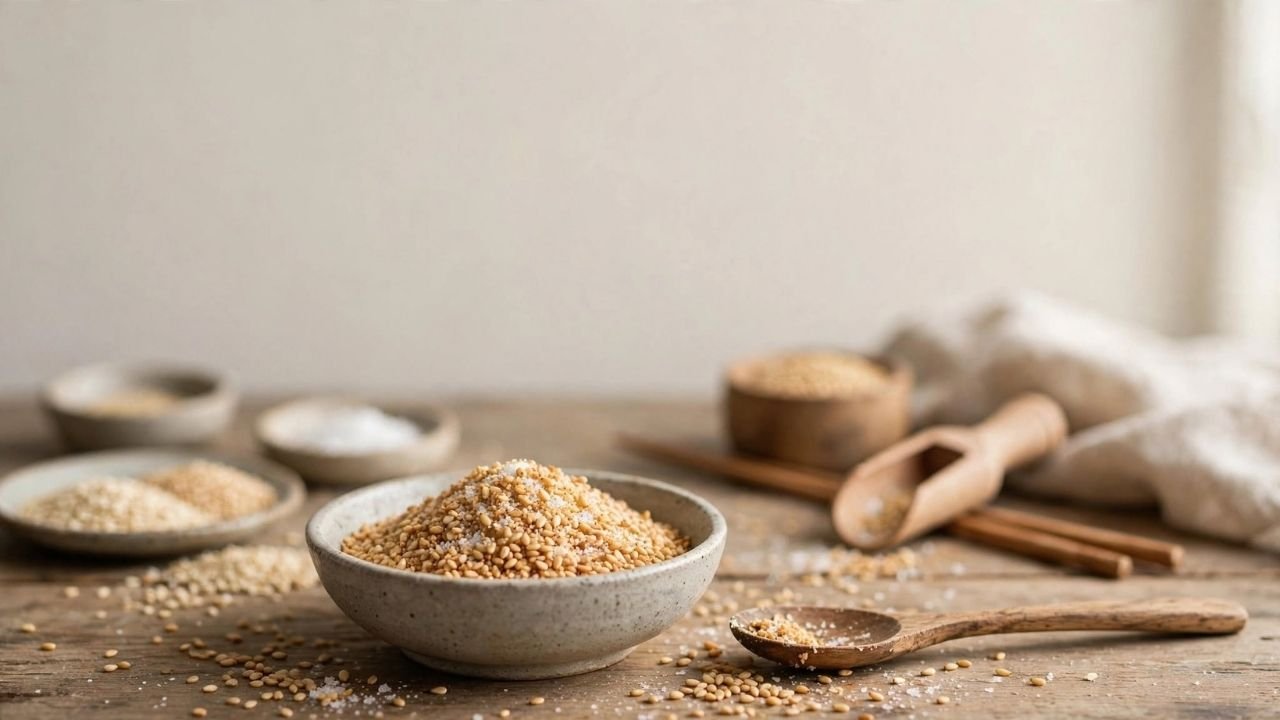
This Gomasio Recipe shows you how to make a simple, flavorful Japanese sesame salt at home. Also called gomashio, gomasio is a traditional seasoning made with toasted sesame seeds and sea salt. It has a nutty, savory taste that can add extra flavor to rice, vegetables, salads, noodles, soups, and other everyday dishes.
The best part is that you only need a few basic ingredients and simple kitchen tools to prepare this homemade seasoning. In this guide, you’ll learn how to make gomasio, choose the right sesame-to-salt ratio, toast the seeds without burning them, and grind them to the perfect coarse texture.
You’ll also find helpful tips for avoiding common mistakes, storing your gomasio seasoning, and using it in different meals. Whether you’re new to Japanese sesame salt or looking for an easy homemade condiment, this recipe is simple to follow.
Quick Answer
Gomasio is a simple Japanese seasoning made from toasted sesame seeds and salt. To make it, lightly toast the sesame seeds until fragrant, let them cool, then grind them coarsely with sea salt. The finished Japanese sesame salt should be crumbly, not a smooth paste. Sprinkle homemade gomasio over rice, vegetables, salads, noodles, tofu, or soups for a nutty, savory flavor.
What Is Gomasio?
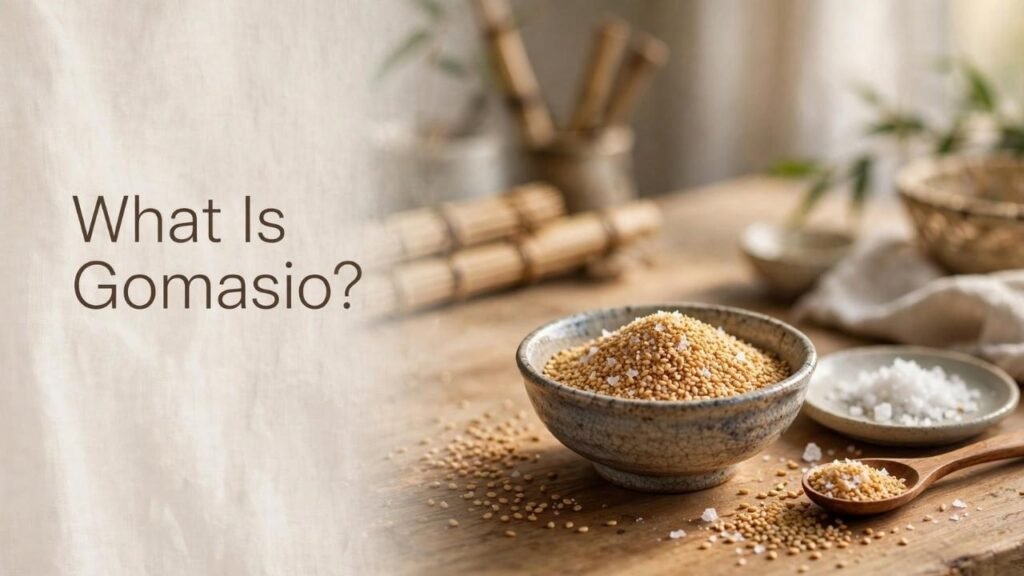
Gomasio, also spelled gomashio, is a simple Japanese seasoning made mainly from toasted sesame seeds and salt. The word combines Japanese terms linked to sesame and salt. This homemade Japanese sesame salt has a warm, nutty flavor with a light salty taste.
Unlike plain salt, it also adds a pleasant crunch and roasted sesame flavor to food. Traditional gomasio is often made with white sesame seeds, although black sesame seeds can also be used. Some versions include seaweed, nori, kombu, or herbs for extra flavor.
Gomasio is often used as a finishing seasoning rather than cooked for a long time. You can sprinkle it over rice, vegetables, salads, noodles, tofu, soups, and grains. Because it is quick to make, this sesame salt recipe is an easy way to add more flavor to simple meals.
Why Make Gomasio at Home?
Making gomasio at home is simple, quick, and gives you full control over the flavor. You only need a few basic ingredients, usually sesame seeds and sea salt, to create this tasty seasoning. Homemade gomasio also lets you choose the sesame-to-salt ratio based on your taste.
If you prefer a milder seasoning, you can use more sesame seeds and less salt. Toasting the sesame seeds yourself also gives the seasoning a fresh, nutty flavor that ready-made products may not have. Another benefit is that you can change the recipe easily.
Try black sesame seeds, mixed sesame seeds, or a little nori or kombu for a different taste. You also do not need special equipment. A mortar and pestle works well, while a food processor can save time. Once prepared, you can use homemade gomasio on many everyday foods.
| Ingredient | Purpose / Notes |
| Sesame seeds | Main ingredient; provides the nutty flavor and crunchy texture |
| White sesame seeds | Traditional choice with a mild, nutty flavor |
| Black sesame seeds (optional) | Adds a stronger taste and darker color |
| Hulled sesame seeds | Mild flavor and smooth texture |
| Unhulled sesame seeds | Adds a slightly stronger, more earthy flavor |
| Sea salt | Provides the salty flavor and balances the sesame seeds |
| Fine sea salt | Mixes easily with ground sesame seeds |
| Coarse or flaky salt (optional) | Creates a different, slightly more textured finish |
| Nori (optional) | Adds a light seaweed flavor |
| Kombu (optional) | Adds savory, umami depth |
| Dulse (optional) | Provides a mild seaweed flavor |
| Chili flakes (optional) | Adds a little heat |
| Dried herbs (optional) | Creates extra flavor and variety in homemade gomasio |
What Is the Best Sesame-to-Salt Ratio?
There is no single gomasio sesame-to-salt ratio that everyone follows. Different recipes use different amounts of sesame seeds and salt depending on how strong or salty the seasoning should taste. A good starting point for homemade gomasio is to use much more sesame than salt, creating a nutty seasoning instead of a very salty one. You can then adjust the amount based on how you plan to use it. If you want a stronger sesame flavor, increase the seeds. If you want a more salty seasoning, add a little more salt. The key is to keep the mixture balanced so that the salt does not cover the roasted sesame flavor.
When making your first Japanese sesame salt recipe, start with a mild ratio. Taste a small amount after grinding, then add more salt if needed. This simple approach makes it easy to find your favorite balance.
How to Make Gomasio
Learning how to make gomasio at home takes only a few simple steps. Start by placing the sesame seeds in a dry skillet over medium-low heat. Stir them often so they toast evenly and do not burn. When the seeds become lightly golden and smell nutty, remove them from the heat.
Let them cool for a few minutes before grinding. Add the toasted seeds and salt to a mortar and pestle, then crush them gently until the mixture becomes coarse and crumbly. You can also use a food processor, but use short pulses to avoid turning the sesame into a paste.
The finished gomasio seasoning should still have some small pieces of sesame visible. Once the texture looks right, transfer it to a clean, dry, airtight container. This easy method gives you fresh homemade gomasio that is ready to sprinkle over your favorite foods.
What Should Gomasio Texture Look Like?
The right gomasio texture is coarse, crumbly, and slightly sandy. It should not look like a fine powder, and it should not become a smooth sesame paste. When you grind the toasted sesame seeds with salt, aim to break most of the seeds while leaving some small pieces visible.
This gives the seasoning a pleasant texture and keeps the roasted sesame flavor noticeable. If you grind the mixture for too long, the natural oils from the sesame seeds can come out and make the mixture oily or paste-like. This is one reason a mortar and pestle works well for homemade gomasio because you can control the texture as you grind.
If using a food processor, use short pulses and check the mixture often. A good rule is simple: stop grinding when the sesame seeds are crushed but still clearly visible. This creates the classic coarse texture you want.
How Do You Know When Sesame Seeds Are Properly Toasted?
Knowing when the sesame seeds are properly toasted is one of the most important steps in a good gomasio recipe. Do not rely only on a cooking time because every skillet and stove can heat differently. Instead, look for a few simple signs. The seeds should become lightly golden, smell warm and nutty, and may begin to make a soft popping sound. Stir them often so they toast evenly and do not stay in one hot spot for too long. If the seeds become very dark or smell burnt, they have been over-toasted and may give your Japanese sesame salt a bitter taste.
Keep the heat around medium-low and watch the pan closely near the end. Once the seeds are fragrant and lightly toasted, remove the skillet from the heat. Let them cool before grinding. These simple visual and smell cues make the process much easier for beginners.
Common Gomasio Mistakes and How to Fix Them
A few simple mistakes can affect the flavor and texture of homemade gomasio. The most common problem is burning the sesame seeds. Keep the heat low and stir often to prevent this. If the seeds turn very dark or smell bitter, it is better to start again. Another mistake is over-grinding the sesame seeds.
Too much grinding can release their oils and create a paste instead of a coarse seasoning. Use short pulses with a food processor or grind gently with a mortar and pestle. Adding too much salt can also hide the nutty sesame flavor, so start with a smaller amount and adjust later.
Finally, avoid storing gomasio in a damp container. Moisture can affect its texture and freshness. By watching the heat, grinding carefully, and storing the finished sesame salt properly, you can avoid most common problems.
How to Use Gomasio
One of the best things about gomasio seasoning is how easy it is to use. Because it has a nutty, toasted flavor, you can sprinkle it over many foods just before serving. Try it on steamed or roasted vegetables for a simple flavor boost. It also works well over warm rice, grains, noodles, and grain bowls.
You can add gomasio to salads, soups, beans, tofu, and stir-fries. For breakfast, sprinkle a little over eggs, avocado toast, or savory oatmeal. It can even add a tasty crunch to popcorn. Start with a small amount and add more as needed because the salt level can vary between recipes.
Gomasio is best used as a finishing seasoning, so adding it after cooking helps keep its toasted sesame flavor noticeable. Once you have a jar of homemade Japanese sesame salt ready, you can quickly improve simple meals without adding complicated ingredients.
Easy Gomasio Variations
The basic gomasio recipe uses sesame seeds and salt, but you can create several tasty variations. For a darker version, try black sesame gomasio or mix black and white sesame seeds together. You can also make seaweed gomasio by adding a small amount of finely crushed nori, kombu, or dulse. These ingredients can add a deeper savory taste. If you enjoy heat, add a pinch of chili flakes for spicy gomasio. Dried herbs can also create a fresh twist, while ingredients such as thyme or other mild herbs can work well with toasted sesame. Another option is a mixed-seed version with different sesame varieties.
Keep the added ingredients in small amounts so they do not hide the main sesame flavor. These variations make homemade Japanese sesame salt more flexible and fun. Start with the basic recipe first, then experiment with one new ingredient at a time.
How to Store Gomasio
Proper storage helps keep homemade gomasio fresh, dry, and flavorful. After grinding the sesame seeds and salt, place the mixture in a clean, dry, airtight container. A small glass jar works well because it keeps moisture out and makes the seasoning easy to use.
Store it away from heat, steam, and direct sunlight. Because sesame seeds contain natural oils, freshness can decrease over time, especially if the mixture is kept warm. Some recipes recommend a cool pantry, while others suggest refrigerating gomasio for longer freshness. Follow the storage method that best suits your recipe and ingredients.
Always use a clean, dry spoon when taking gomasio from the container. Before using older gomasio, check its smell, taste, and appearance. If it develops an unpleasant or stale smell, it is best to discard it. Good storage keeps your sesame salt seasoning ready whenever you need it.
Can You Make Gomasio Without a Suribachi?
Yes, you can easily make gomasio without a suribachi. A traditional suribachi and pestle can give you excellent control over the texture, but it is not required. A regular mortar and pestle is one of the best alternatives because you can gently crush the toasted sesame seeds and salt until they become coarse.
If you want a faster method, use a food processor with short pulses. A spice grinder can also work, but be careful because it may turn the sesame seeds too fine very quickly. A blender is another option, although it may be harder to control the texture.
No matter which tool you choose, the goal is the same: crush the sesame seeds without turning them into paste. If you are making your first homemade gomasio, a mortar and pestle is a simple and affordable choice. You can still make delicious Japanese sesame salt without special Japanese equipment.
Gomasio vs. Sesame Salt: What’s the Difference?
Gomasio is often described as Japanese sesame salt, so the two terms can sound interchangeable. In simple terms, gomasio is a seasoning made by combining toasted sesame seeds with salt, usually after the seeds have been gently crushed. The word gomashio is another common spelling of the same seasoning.
Plain sesame salt can be a more general term for any mixture of sesame and salt, while gomasio usually refers to the Japanese-style preparation. Traditional versions are often simple, but modern recipes may include ingredients such as nori, kombu, dulse, or chili flakes. Another key difference is texture.
Good gomasio is usually coarse and crumbly, with visible pieces of sesame rather than a smooth powder. Both can be used on rice, vegetables, salads, noodles, and other foods. For this recipe, the terms gomasio, gomashio, and Japanese sesame salt can help you find similar seasoning ideas.
FAQs
What is gomasio made of?
Traditional gomasio is mainly made with toasted sesame seeds and salt.
What is the best sesame-to-salt ratio?
There is no single rule. Start with a sesame-heavy mixture and adjust the salt to your taste.
Can I use black sesame seeds?
Yes. Black sesame seeds give gomasio a darker color and a slightly stronger flavor.
Do I need a suribachi?
No. A mortar and pestle works well, and you can also use a food processor carefully.
Why is my gomasio bitter?
The sesame seeds were likely over-toasted or burned. Toast them gently and stir often.
Why did my gomasio turn into paste?
It was probably over-ground. Use short pulses and stop when the mixture is coarse.
How should I store gomasio?
Keep it in a clean, airtight container away from moisture and heat.
What can I use gomasio on?
Try it on rice, vegetables, salads, noodles, tofu, soups, eggs, or popcorn.
Conclusion
Gomasio is a simple and flavorful Japanese sesame salt that can make everyday meals more delicious with just a few ingredients. By lightly toasting sesame seeds, combining them with sea salt, and grinding them to a coarse texture, you can easily prepare fresh homemade gomasio in your own kitchen. Once ready, sprinkle it over rice, vegetables, noodles, salads, tofu, soups, or other favorite dishes for a nutty, savory finish.
The key to good gomasio is gentle toasting, careful grinding, and a balanced sesame-to-salt ratio. Start with the basic recipe, then experiment with black sesame, seaweed, herbs, or chili to create your own variation. With proper storage, your homemade Japanese sesame salt can be a convenient seasoning to keep on hand for everyday cooking.